Wire Rope or Chain Hoist? A Practical Guide

Wire Rope or Chain Hoist? A Practical Guide

Duty class, lifting height and cost: choosing the right hoisting unit.

CategoryLifting equipment
PublishedAugust 27, 2026
Reading time4 min read
Written byEOTEC engineering team

Both hoists lift loads with an electric motor, but they suit different jobs. The main differences are capacity, lifting height, duty and the crane they are fitted to.

Side-by-side comparison

FactorElectric chain hoistElectric wire rope hoist
Lifting mediumLoad chain over a pocketed wheelSteel rope wound on a grooved drum
CapacityLowerHigher, into heavy-duty ranges
Lifting heightShorter liftsGreater lifting heights
SizeCompact and lightLarger, heavier
Typical craneJib, monorail, light single girderSingle and double girder, gantry
Purchase costUsually lower at low capacityUsually higher at low capacity

Choose an electric chain hoist when

  • Loads are light and lifts are short.
  • You are equipping a jib crane, monorail or workstation.
  • Space and weight are tight.
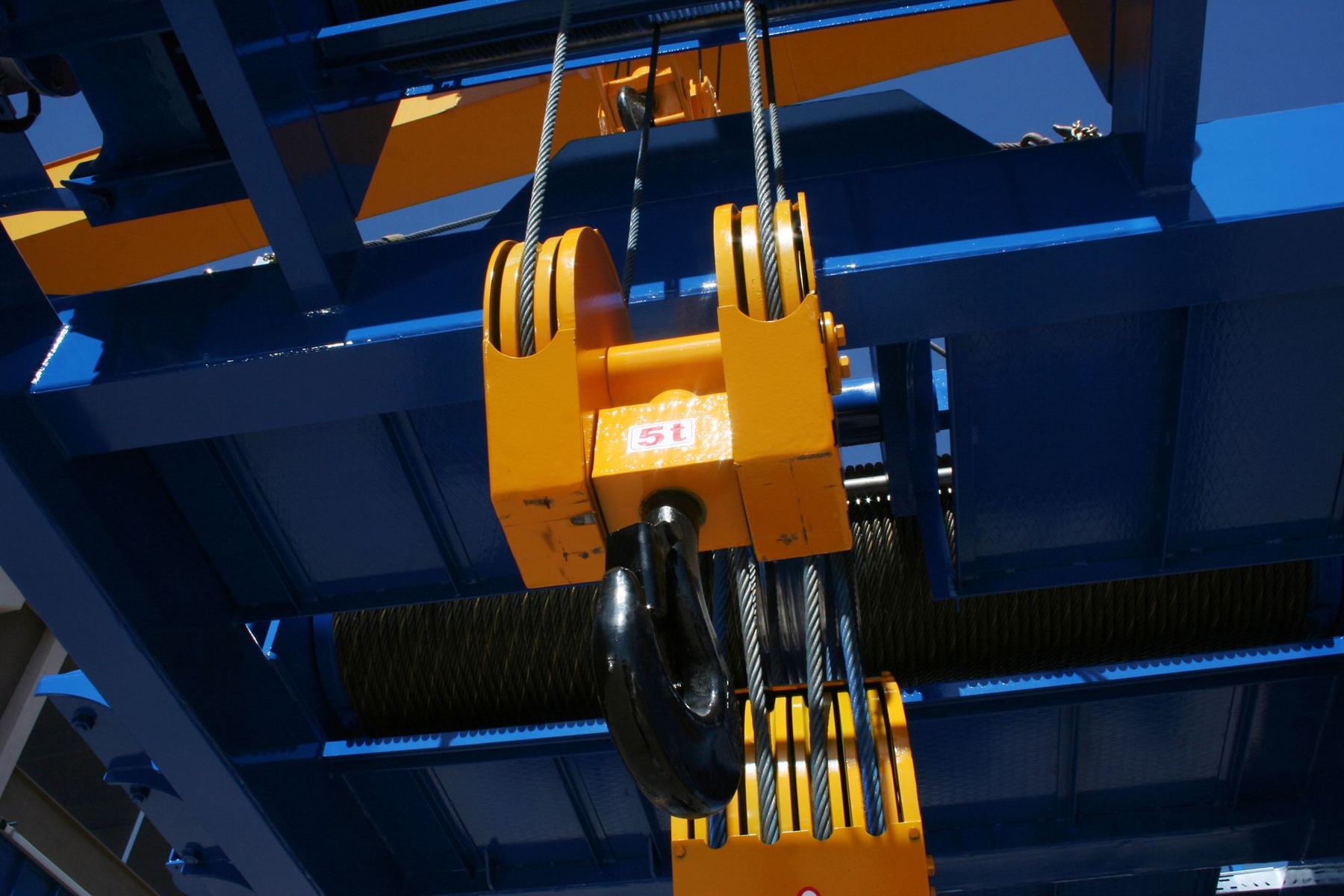
Wire rope hoist and hook block

Choose a wire rope hoist when

  • Loads are heavy or lifting heights are large.
  • The crane works hard through the shift.
  • You need low-headroom performance on a single girder crane, or a top-running trolley on a double girder crane.

Do not choose on capacity alone

A 5 t hoist lifting near full load all day has a much harder life than one lifting 1 t a few times an hour. Classify the duty first using FEM and ISO classes, then pick the hoist.

Maintenance

Both need regular inspection. On chain hoists, check chain wear, the hook and the overload clutch. On wire rope hoists, check the rope, drum, guides, hook and brake. EOTEC supplies wire rope hoists and electric chain hoists, and services most makes.

Request a quote

Keep reading

Related

Electric Wire Rope Hoists

Electric Wire Rope Hoists

Compact, high-capacity hoists for single and double girder cranes.

Electric Chain Hoists

Electric Chain Hoists

Light, versatile hoists for jib cranes, monorails and workstation systems.

FEM & ISO Duty Classes Explained Simply

FEM & ISO Duty Classes Explained Simply

What 2m, 3m and M5 really mean for your crane.

FAQ

Rope or chain hoist questions

If yours isn't here, just ask our engineers.

Is a wire rope hoist better than a chain hoist?

Neither is better in every case. Wire rope hoists suit higher capacities, greater heights and heavier duty. Chain hoists suit lighter, shorter lifts where compact size matters.

Can a chain hoist be used on a single girder overhead crane, or do I need a wire rope hoist?

Yes, a chain hoist is a common fit on a light single girder crane, where it keeps the trolley compact and light. Move to a wire rope hoist when loads are heavy, lifting heights are large, the crane works hard through the shift or you need low-headroom performance. Both can run on a single girder, so the load, height and duty decide rather than the crane type.

Is a chain hoist cheaper than a wire rope hoist?

Usually yes at low capacity, where a chain hoist costs less to buy. That advantage applies to the purchase price only. A cheaper hoist in too low a duty class wears early and can cost far more over its life, so compare the two at the same capacity, duty and lifting height before treating the lower figure as a saving. Maintenance, spare parts and downtime belong in the comparison too.

Which hoist is better for frequent short lifts on an assembly line?

A chain hoist usually fits, because it is compact and light and suits frequent, short lifts at a jib crane, monorail or workstation. Two-speed or stepless control also helps place parts precisely. Frequency still has to be checked: a hoist lifting near full load all day has a much harder life than one lifting light loads a few times an hour, so classify the duty first.

Which hoist should I choose for limited headroom or a high lift?

For a high lift, choose a wire rope hoist, which winds its rope on a grooved drum and reaches greater heights, up to 60 m across EOTEC hoisting units. For limited headroom, compare a compact chain hoist at light loads with a low-headroom wire rope hoist, which runs beside and under the girder to save height. At heavier loads, the rope hoist is the option.

What needs checking on a chain hoist compared with a wire rope hoist?

Both need regular inspection, but the wear points differ. On a chain hoist, check the chain for wear, the hook and the overload clutch. On a wire rope hoist, check the rope, drum, guides, hook and brake. Neither is maintenance free, so set the inspection plan by the real duty, because a hoist worked hard through the shift wears sooner. EOTEC services most makes of both.

Planning a crane for your plant?
Get a free quotation.

Request a Quote