


Double Girder Overhead Cranes
For heavy loads, long spans and intensive duty cycles. A top-running crab between two girders gives maximum hook height, with room for walkways and auxiliary hoists.
What is a double girder overhead crane?
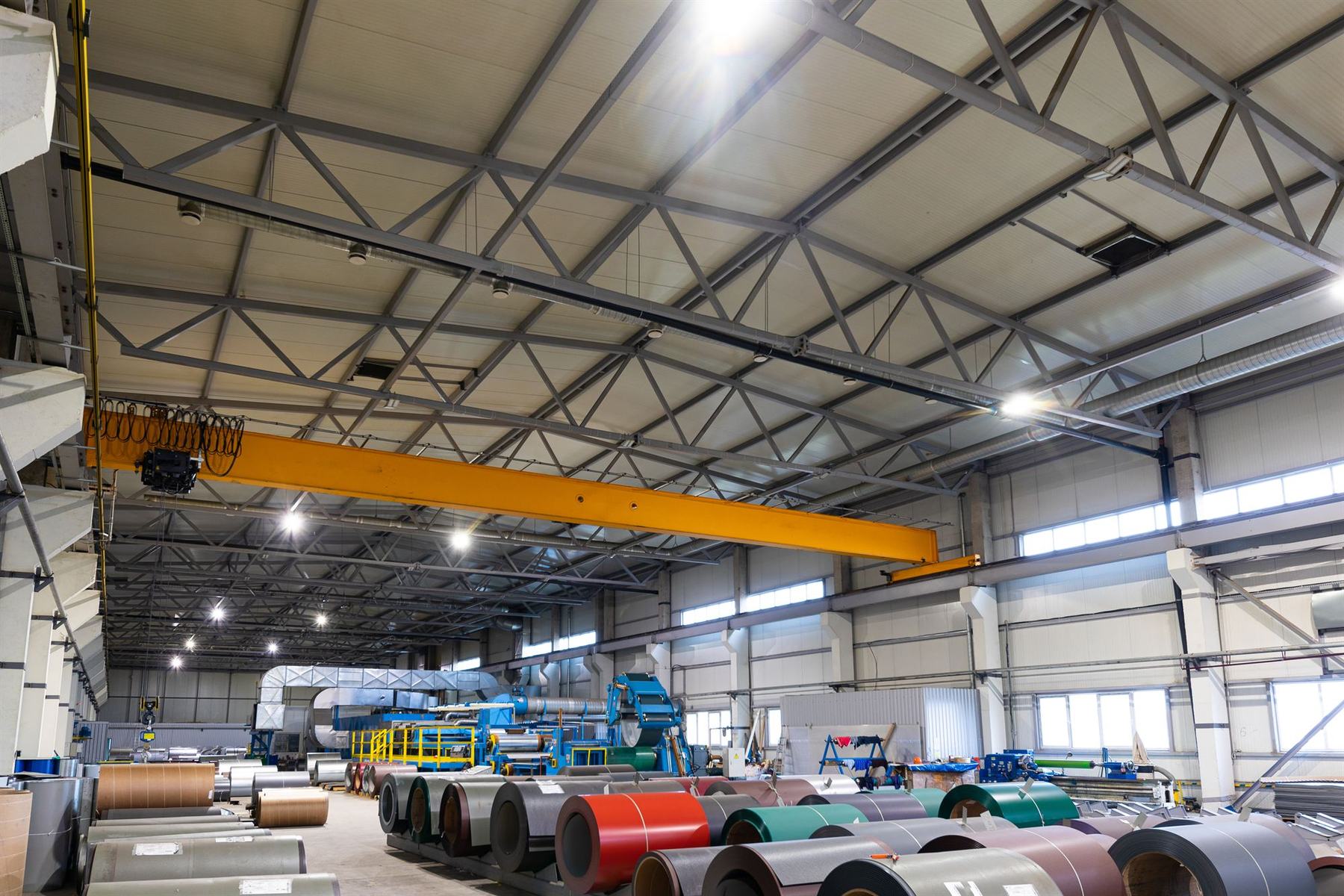
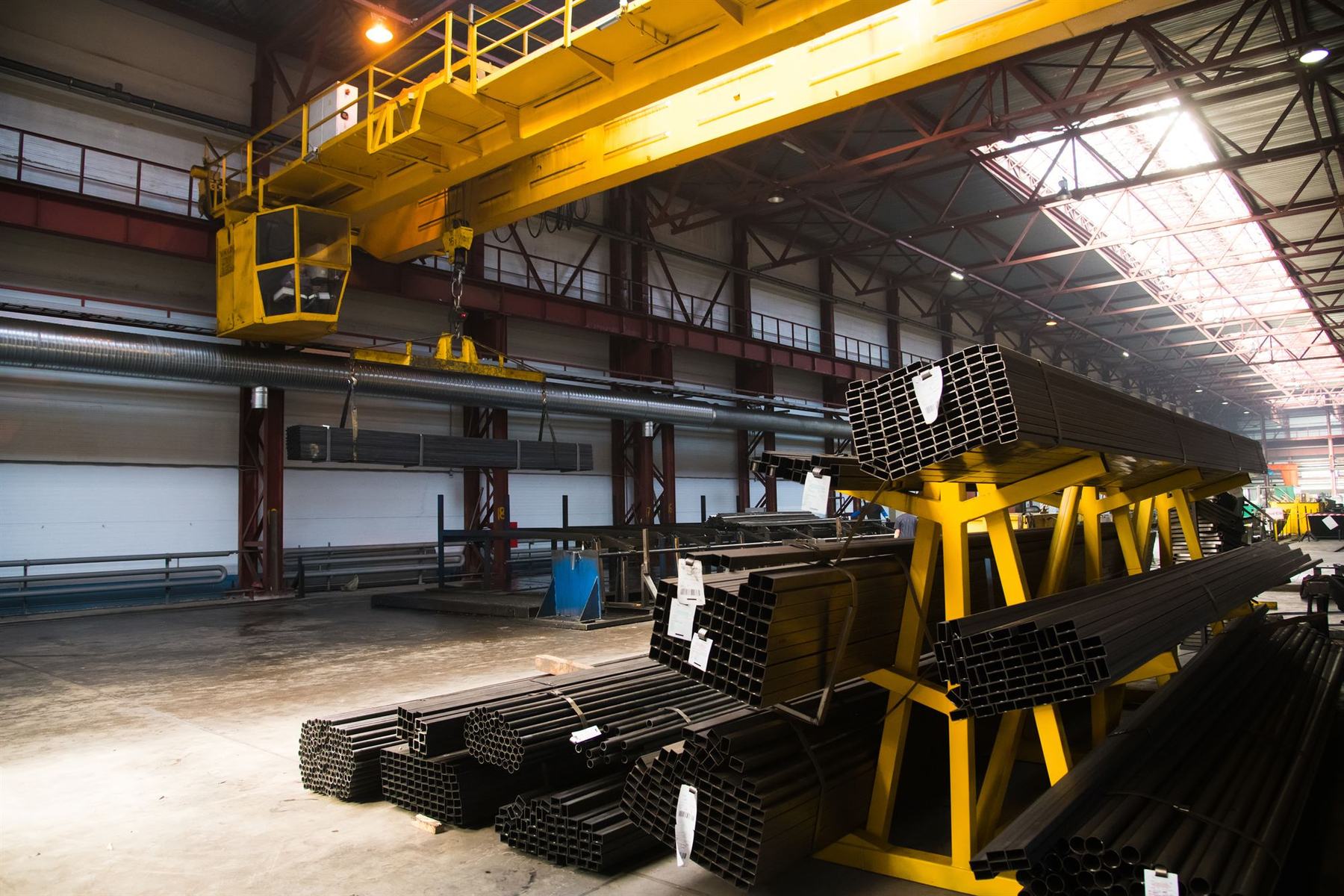
A double girder crane has two main girders spanning the runway, with a crab or trolley running on rails on top of them. Because the hook rises between the girders, it reaches higher than a single girder crane in the same building. The stronger bridge also suits higher capacities, longer spans and more frequent use.
When you need a double girder crane
- Heavy, frequent or high lifts.
- Long spans where a single beam would become uneconomic.
- Halls where every metre of hook height counts.
- Cranes that need walkways, maintenance platforms or auxiliary hoists.
- Process applications where the crane runs through the shift.
Hoisting: wire rope hoist or open crab
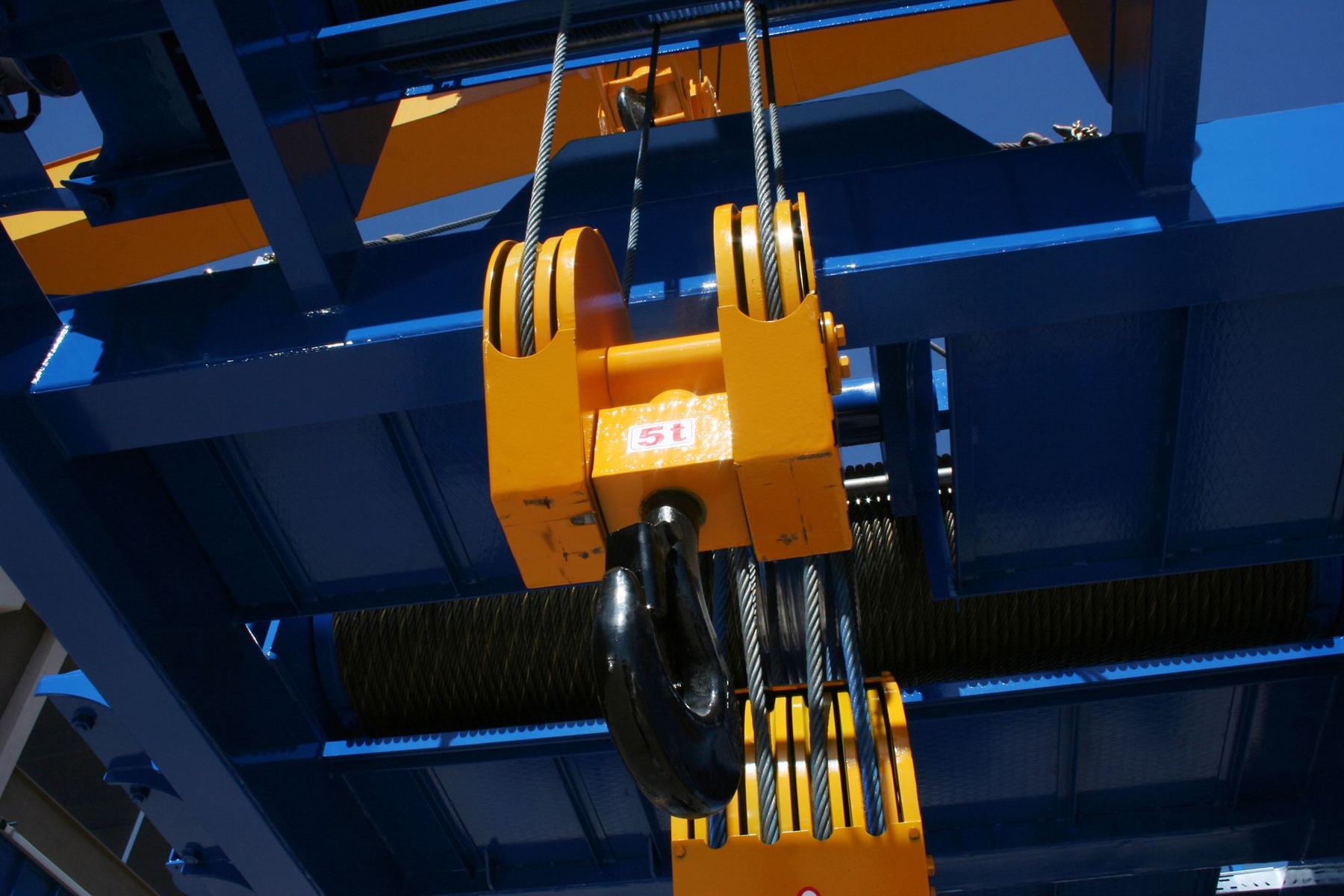
Double girder cranes can use a wire rope hoist on a top-running trolley or a heavy-duty open-frame crab, with main and auxiliary hoist options. An auxiliary hoist handles lighter, faster lifts or helps turn loads over.
Specification
| Specification | EOTEC double girder cranes |
|---|---|
| Capacity | Up to 100 t (higher on request) |
| Span | Up to 40 m |
| Duty class | FEM 1Am – 4m / ISO M4 – M7 |
| Control | Pendant, radio remote or cabin |
| Drives | Two-speed or stepless inverter |
When the extra girder pays back
For heavy, frequent or high lifts, a double girder crane pays back through capacity, hook height and service life. For lighter duty, a single girder crane is usually the more economical choice. Our engineers can calculate both options for your hall, free of charge, as part of the quotation.
Below-the-hook equipment
Pair the crane with C-hooks, lifting beams or spreader beams designed around your load, so that coils, long profiles and wide loads are handled safely and quickly.
Related
What capacities are available for double girder cranes?
EOTEC double girder cranes are available up to 100 t, with higher capacities engineered on request.
Why does a double girder crane give more hook height?
The crab runs on top of the girders, so the hook can rise up between them instead of hanging below a single beam.
Can a double girder crane have a walkway?
Yes. Two girders leave room for walkways, maintenance platforms and auxiliary hoists.
What is an auxiliary hoist used for on a double girder crane?
An auxiliary hoist handles lighter, faster lifts so the main hoist is not tied up on small work, and it helps turn loads over when used together with the main hook. Two girders leave room for it on the bridge. Consider one when your work mixes heavy and light loads, or when you need to tilt or flip parts.
Wire rope hoist or open crab on a double girder crane?
A wire rope hoist on a top-running trolley suits many double girder cranes and is the more compact option. An open-frame crab suits heavy-duty work and cranes that need main and auxiliary hoists together. The deciding factors are capacity, duty class and how easily the mechanism must be reached for maintenance. See our wire rope hoist designs for how each one mounts.
Can my building carry a double girder overhead crane?
That has to be calculated, because a double girder crane is heavier and raises the wheel loads on the runway and columns. A new building can be designed for those loads, while an existing one has to be checked first. Send the structural drawings if you have them. If the building falls short, the options are strengthening the runway or reviewing whether a lighter design can do the job.
What span can a double girder overhead crane reach?
EOTEC double girder cranes are available with spans up to 40 m. Long spans are a main reason to choose two girders, because a single beam becomes uneconomic as the span grows. Span is not judged alone: capacity, deflection and duty class all shape the girder design, so the same span can give very different cranes. If your hall needs more, ask us about it.
When is a double girder crane worth the extra cost?
It is worth it when lifts are heavy, frequent or high, because it pays back through capacity, hook height and service life. For lighter duty, a single girder crane is usually the more economical choice. If you are between the two, our engineers can calculate both options for your hall, free of charge, as part of the quotation, so the decision rests on your own figures.
