
C-Hooks
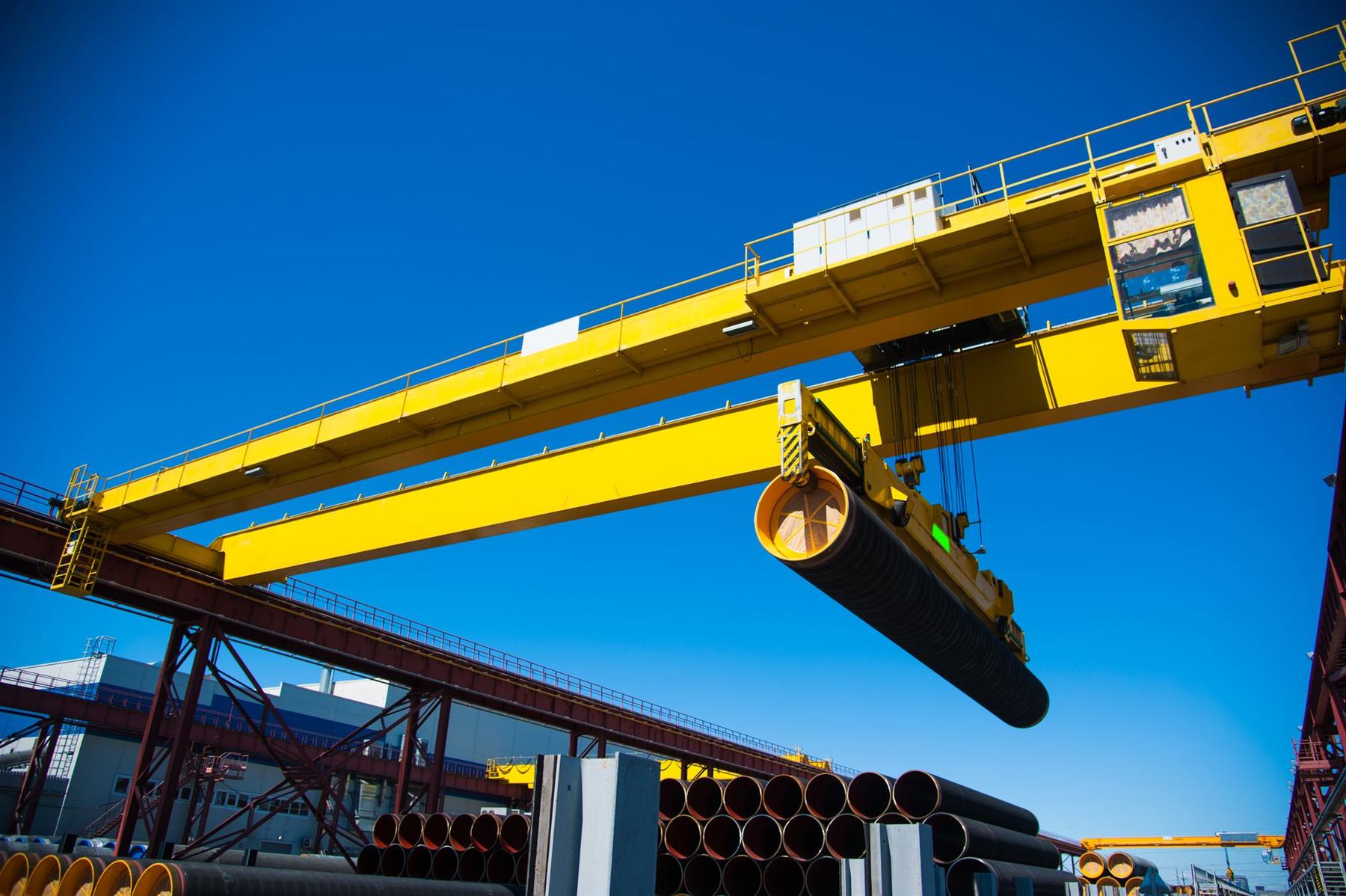
For coils, rolls and tubes — lifting through the bore with balanced, safe handling.
 English
 Türkçe
 Français
 Русский
 Italiano
 العربية
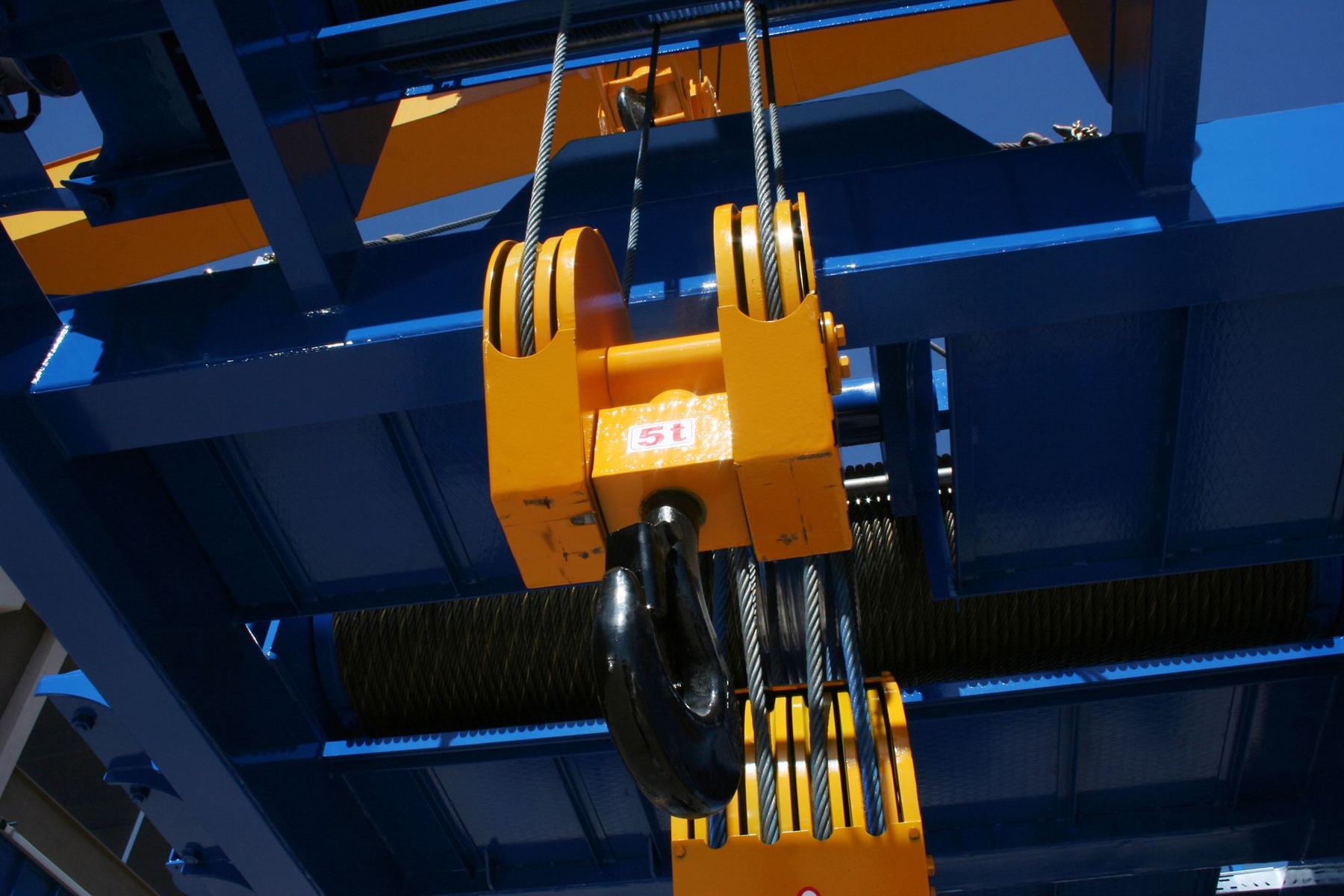
Hoisting units, non-fixed load attachments and crane components — supplied standalone or integrated into EOTEC cranes.


The heart of every lift. Robust hoisting units with smooth inverter control, overload protection and long-life components.
Supplied with new EOTEC cranes, as replacements on existing cranes, or for monorails and custom lifting systems.
Compact, high-capacity hoists for single and double girder cranes — foot-mounted, low-headroom or normal-headroom designs.
Light, versatile hoists for jib cranes, monorails and workstation systems, with slip-clutch overload protection.
Heavy-duty open-frame units for double girder cranes, with main and auxiliary hoist options.
| Capacity | 125 kg – 100 t |
|---|---|
| Lifting height | Up to 60 m |
| Speeds | Two-speed or stepless inverter |
| Duty class | FEM 1Am – 4m / ISO M4 – M7 |
C-hooks, lifting beams, spreader beams and specialised below-the-hook devices, designed around your load.
For coils, rolls and tubes — lifting through the bore with balanced, safe handling.
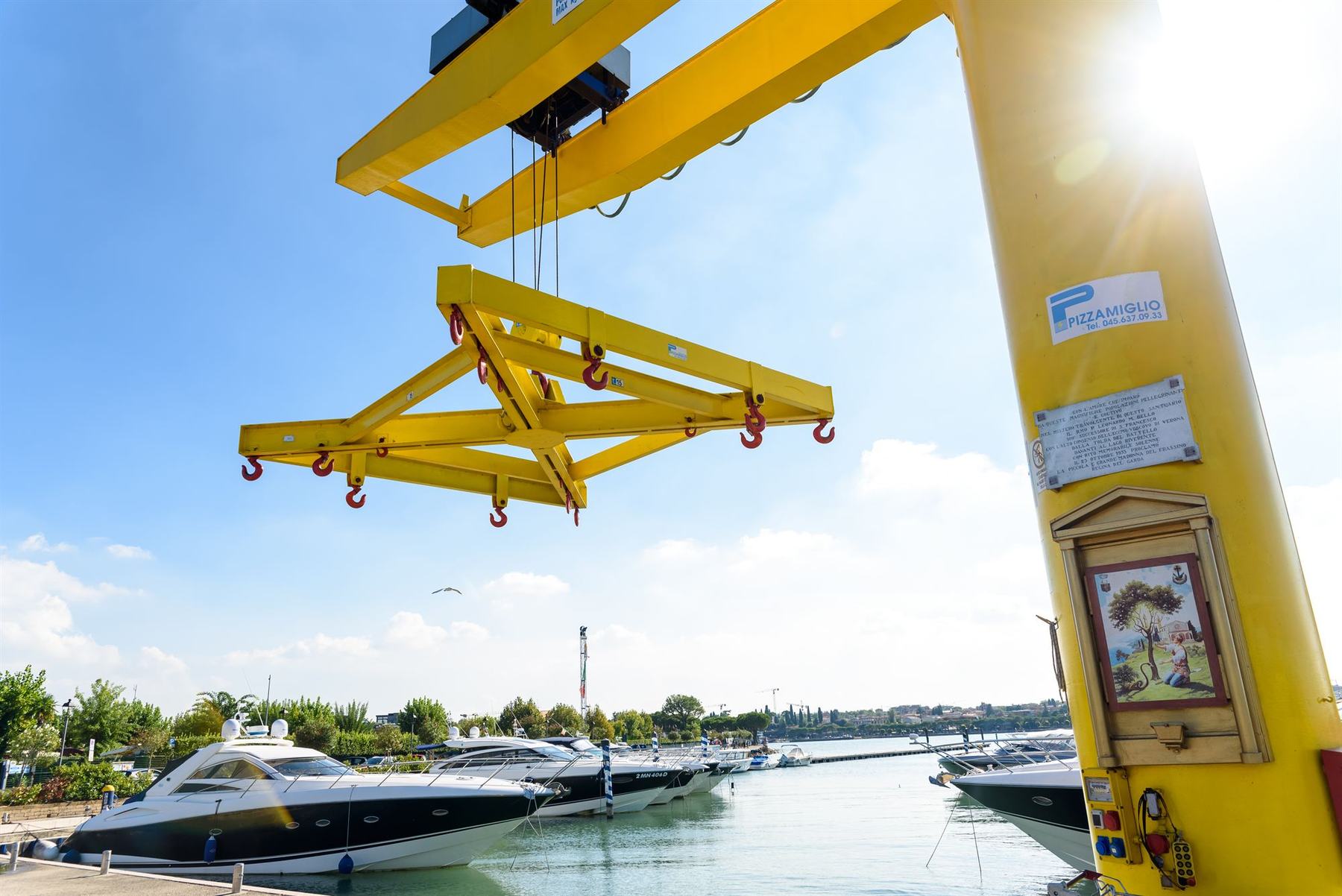
Rigid beams that spread the load between several lifting points for long or flexible loads.
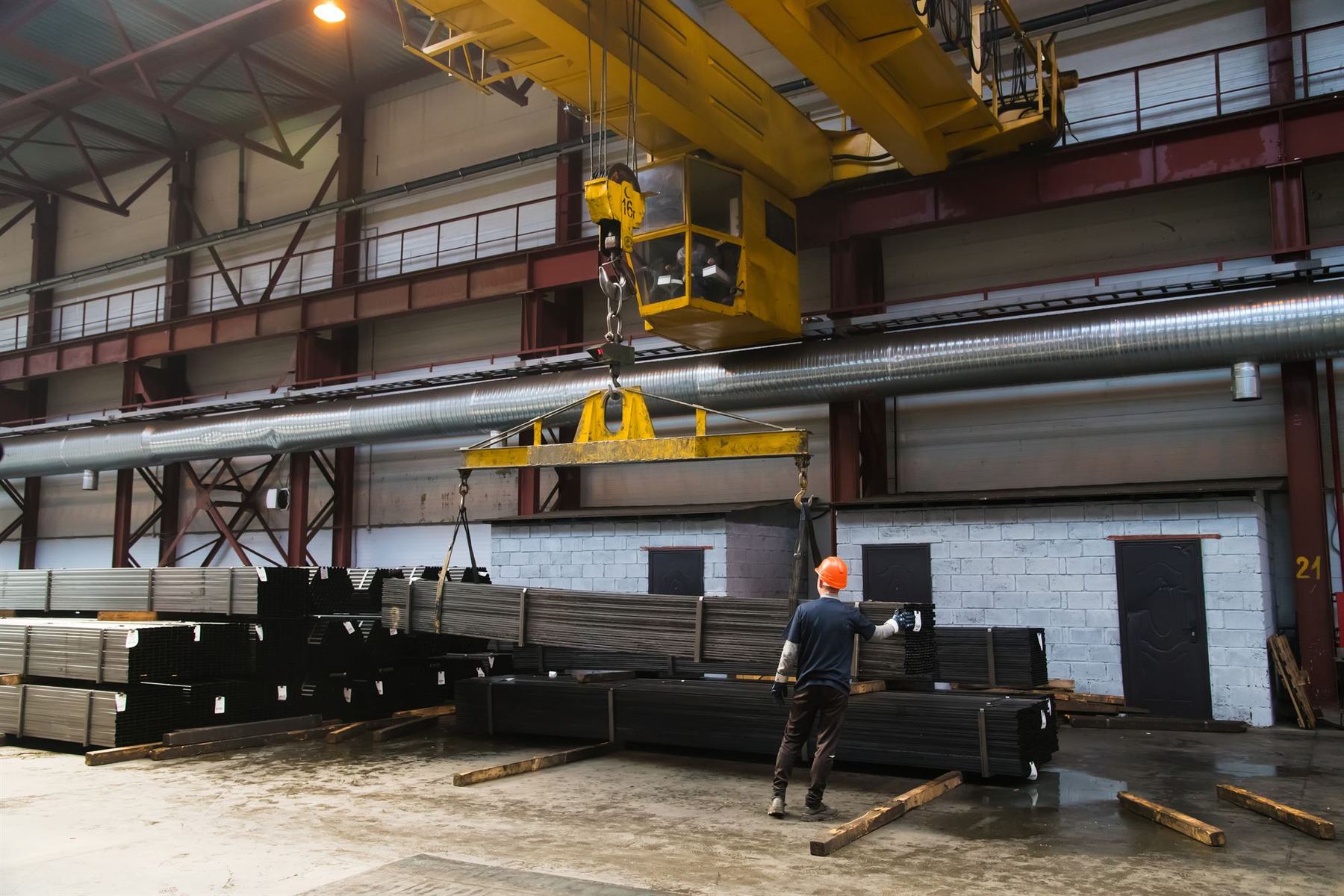
Keep slings vertical and reduce compression forces on wide or delicate loads.
Magnets, clamps, grabs and custom attachments engineered for a specific process.
Everything needed to build, upgrade or keep a crane running.
Wheel blocks, end carriages and travel units for new cranes and upgrades.
Pendant stations, radio remote controls, inverter drives and control panels.
Festoon systems and conductor rails for safe, reliable power to the crane.
Overload limiters, limit switches, anti-collision sensors and warning systems.
Inverter, radio and hoist retrofits that extend the life of existing cranes.
Original spare parts and wear parts, with fast dispatch to keep downtime short.
Compare electric wire rope hoists and electric chain hoists by capacity, lifting height and duty in our practical guide.
C-hooks, lifting beams and spreader beams each suit different loads. See how to choose below-the-hook devices.
New hoists, inverter drives and radio remote controls can extend the life of an existing crane. Read about crane service and modernization.
Yes. Wire rope hoists, electric chain hoists and open winch units are available standalone, for new runways, monorails or to replace a hoist on an existing crane.
EOTEC hoisting units range from 125 kg to 100 t, with lifting heights up to 60 m.
Yes. Original spare parts and wear parts are available, with fast dispatch to keep downtime short.
Choose an open winch or crab unit when a double girder crane has to work hard or needs both a main and an auxiliary hoist. The open frame sits on top of the two girders and suits heavy-duty work. For single girder cranes and lighter double girder cranes, a compact wire rope hoist is usually enough, and it takes up less space.
A non-fixed load attachment is a device that hangs from the crane hook and connects it to the load, such as a C-hook, lifting beam, spreader beam, magnet, clamp or grab. It is not a permanent part of the crane, so it can be removed or changed to suit the job. Its shape follows the load, which is why each one is designed around what you actually lift.
Usually yes, provided the device is checked against the crane as well as the load. Its own weight counts towards the load on the crane, so a heavy attachment reduces the net load you can lift. It also takes up height under the hook. Send us the crane capacity, available headroom and load data. Our guide to C-hooks and lifting beams compares the options.
For a hoist, send the capacity, lifting height, how hard it works, the beam or crane it will run on and the power available. For an attachment, send the load's dimensions, weight and centre of gravity, the points where it may be touched, the headroom under the crane and the working environment. Photos and existing drawings help when the equipment has to fit something already installed.
Yes. Wheel blocks, end carriages, travel units, pendant stations, radio remotes, inverter drives and control panels are supplied for new cranes and for upgrades, not only as part of a complete EOTEC crane. When a part has to fit an older crane, tell us the make, the wheel and rail details and the existing control system, because those decide whether it fits directly or needs adapting.
Festoon systems suit shorter travel and simpler installations, because flexible cable hangs in loops from small carriers that move with the crane. Conductor rails suit longer runways and frequent travel, since fixed rails feed the crane through sliding collectors and no cable has to loop and fold. The space along the runway and the working environment can change the choice, so mention both in your enquiry.
Each one guards against a different failure. An overload limiter prevents a lift above the rated load. Limit switches stop a motion at the end of its safe range, for example before the hook block reaches the drum or the bridge reaches the runway end. Anti-collision sensors slow or stop cranes that share a runway before they touch. Warning systems alert people nearby when the crane moves.