 01
Double Girder Process Cranes
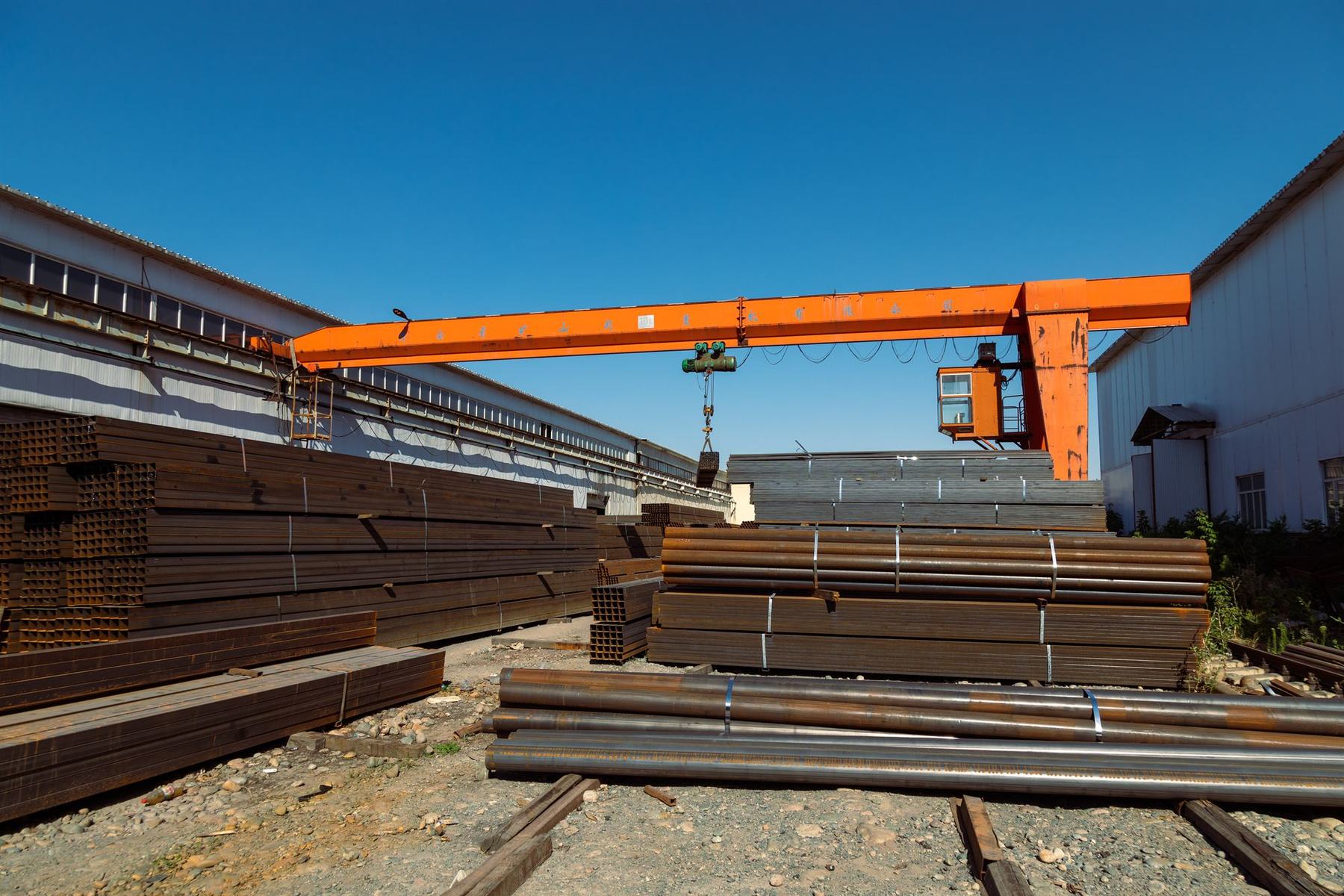
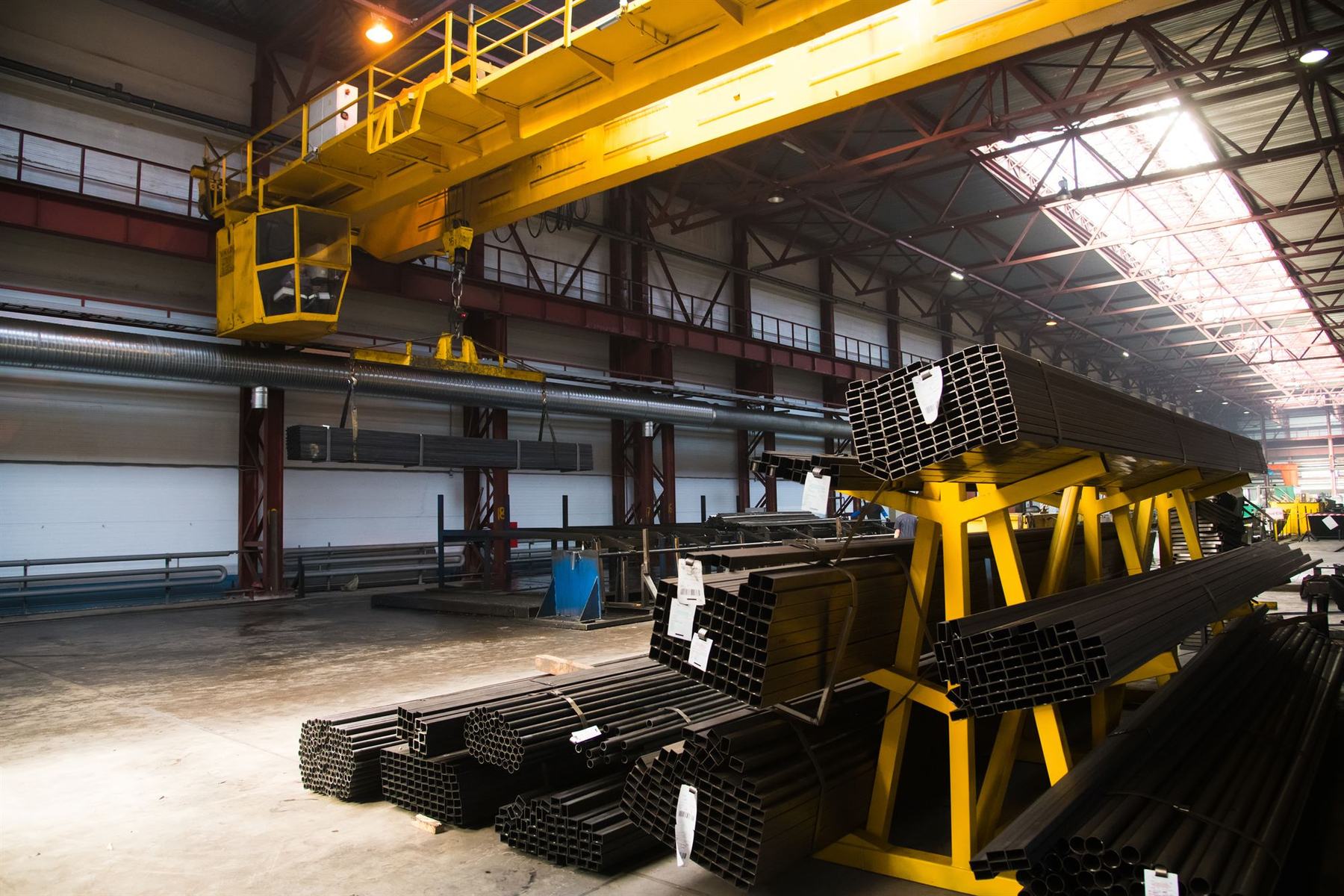
A top-running crab between two girders gives maximum hook height, with room for walkways and auxiliary hoists, for heavy loads and intensive duty cycles.
 English
 Türkçe
 Français
 Русский
 Italiano
 العربية
Heavy double girder cranes for continuous production, where duty cycle, reliability and precise load positioning set the specification.
A process crane is part of the production line, so a stopped crane means a stopped plant. EOTEC process cranes are calculated for the duty your process demands, with drives, controls and safety systems chosen for continuous operation.
Request a quote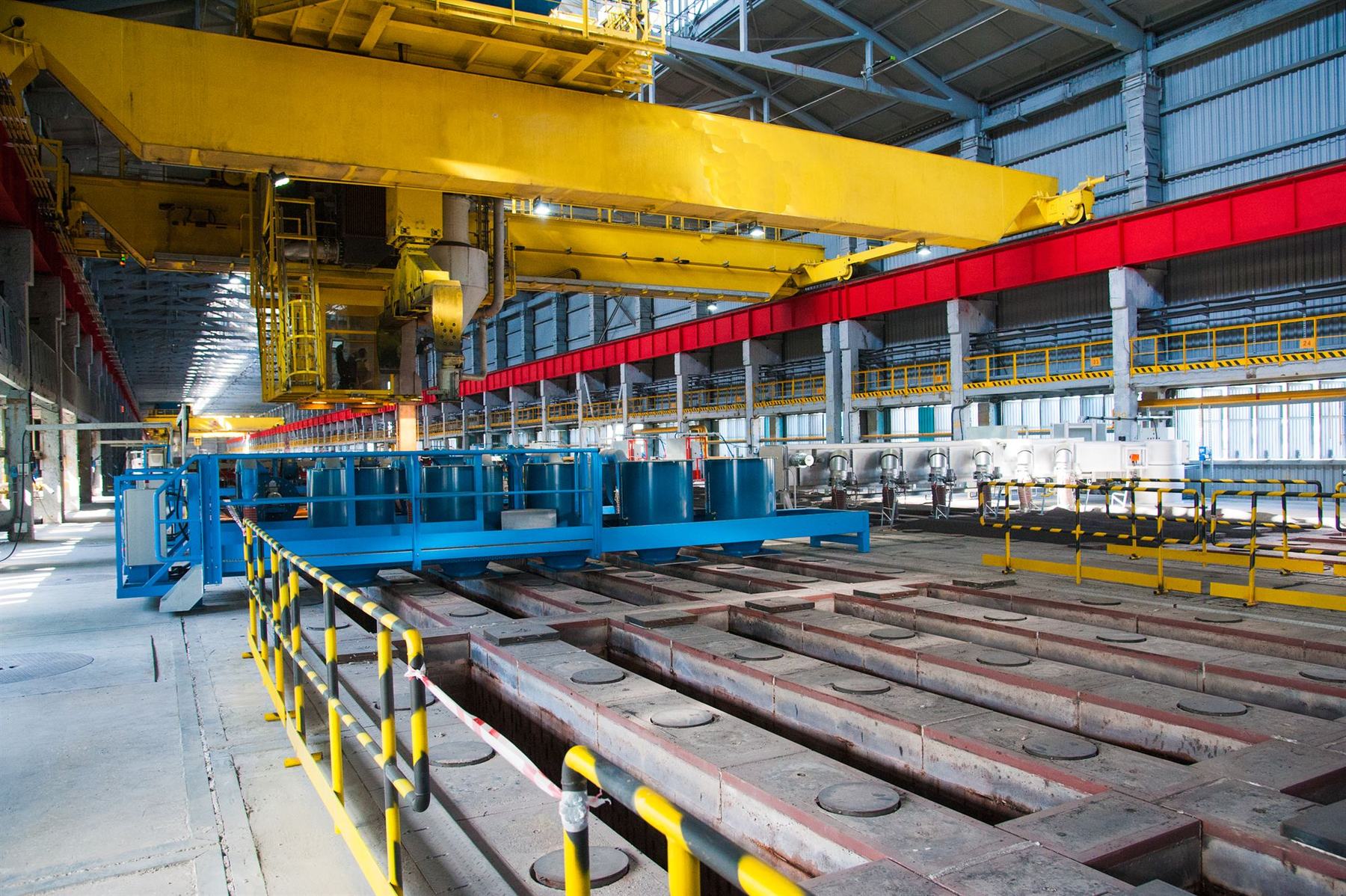 01
A top-running crab between two girders gives maximum hook height, with room for walkways and auxiliary hoists, for heavy loads and intensive duty cycles.
 02
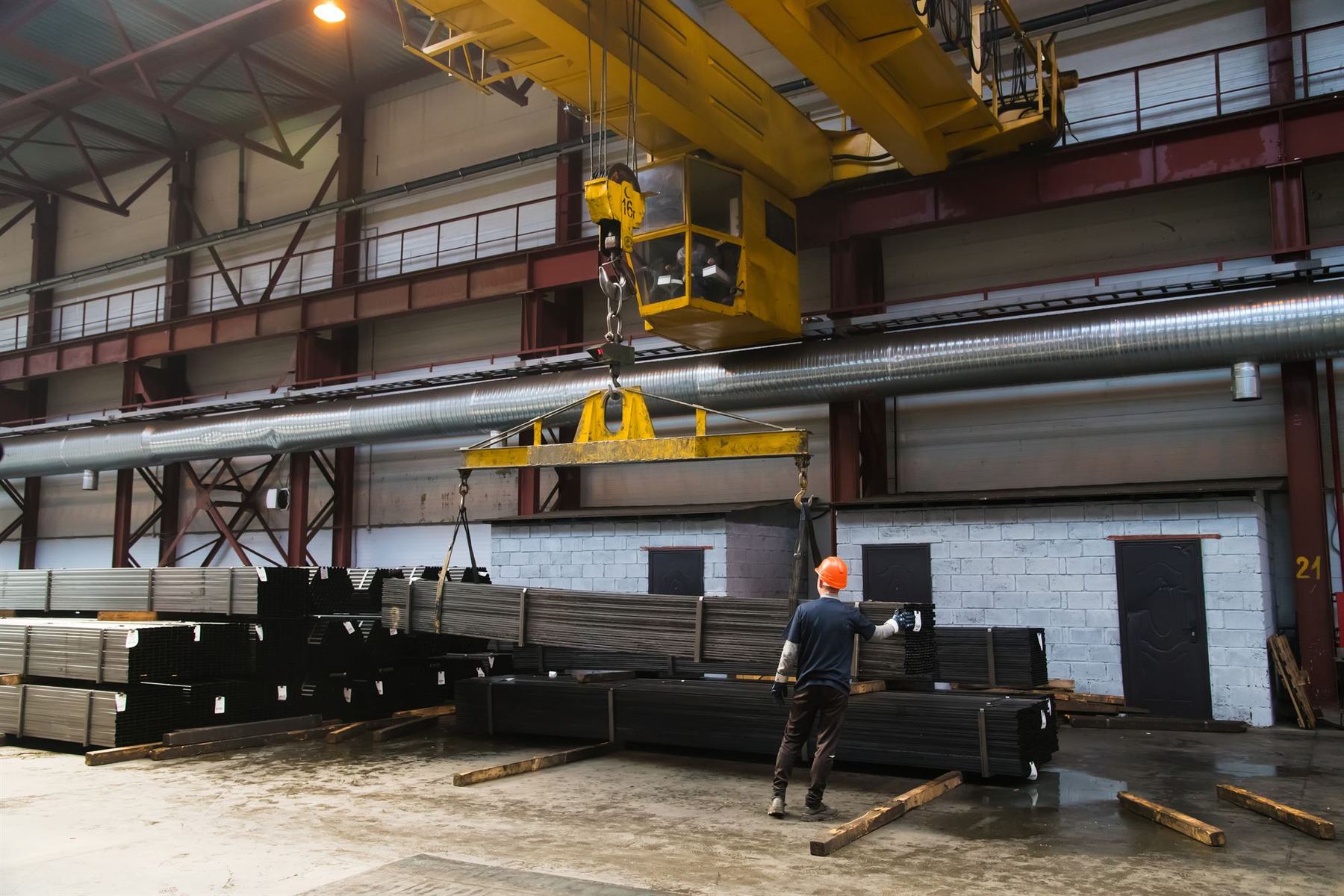
C-hooks, lifting beams, magnets, clamps and grabs, engineered around the load and the process.
 03
Smooth, inverter-controlled drives for precise load positioning, with pendant, radio remote or cabin control.
| Capacity | Up to 100 t (higher on request) |
|---|---|
| Span | Up to 40 m |
| Duty class | FEM 1Am – 4m / ISO M4 – M7 |
| Control | Pendant, radio remote or cabin |
| Drives | Two-speed or stepless inverter |
Overload protection, limit switches and emergency stops designed in from the start.
Components chosen for continuous operation and long service life.
Precise load positioning with smooth, inverter-controlled drives.
Inspections, maintenance and modernization for the crane's whole life.
A process crane is an overhead crane that forms part of a production process, rather than serving occasional lifts. It may run through the shift, so reliability and duty classification are central to the design.
Choosing a crane by capacity alone is the most common mistake in process applications. Use real lift counts, travel distances and load spectra to find the correct duty class.
The attachment often defines the process. C-hooks, lifting beams, magnets and grabs can be engineered around the load, then the crane is calculated to carry them.
Plan inspections, maintenance and spare parts from the start, so that planned stops replace unplanned ones.
A process crane is calculated for production duty, often with heavier mechanisms and a higher duty class, because stoppages directly affect the plant.
It depends on the process. Pendant, radio remote and cabin control are all available, and a cabin is often chosen for long spans and intensive use.
Use real production data rather than the crane's capacity. Collect lift counts, travel distances, running hours and the load spectrum, meaning how close to capacity the crane usually works, then apply the classification tables. EOTEC process cranes are available from FEM 1Am to 4m (ISO M4 to M7). See duty classes explained for the method.
The mechanisms wear early. Gears, bearings, ropes and brakes reach the end of their life sooner, and on a production crane that shows up as unplanned plant stoppages, not only as repair bills. A cheaper crane in too low a class can cost far more over its life, while over-specifying costs more than necessary, so aim for the correct class.
EOTEC process cranes are heavy double girder designs, because a top-running crab between two girders gives maximum hook height and room for walkways and auxiliary hoists. That suits heavy loads and intensive duty cycles. If your loads and lift counts turn out to be modest, a single girder overhead crane may be sufficient, so let the duty data decide.
Walkways give maintenance staff access along the girders to the crab and drives, which makes planned servicing easier. An auxiliary hoist handles lighter loads or supports the main lift, so the main hoist is not used for every small job. Decide on both at the design stage, because the crane has to be calculated to carry their weight.
Choose the attachment first. It often defines the process, and C-hooks, lifting beams, magnets, clamps and grabs can be engineered around the load before the crane is calculated to carry them. The attachment's own weight counts towards the load on the crane, so a heavy device reduces the net load you can lift.
Plan inspections, maintenance and spare parts from the start, so that planned stops replace unplanned ones. Schedule servicing around production windows, and decide with your maintenance team which parts must be on hand because their failure would stop the line. The correct duty class comes first, because undersized mechanisms wear early whatever the maintenance plan says.
They are not always necessary, since both two-speed and stepless inverter drives are available. Inverter control is the better choice where precise load positioning matters, because smooth starts and accurate positioning reduce load swing. Where loads simply move between points with little need for fine positioning, two-speed drives can do the job, so let the process decide.
Sometimes, but it has to be checked first. If the steel structure is sound, new drives, controls or a new hoist can give an old crane much of the performance of a new one. Heavier use can raise the duty class required, so the duty must be rechecked for the new use. We assess this on site.