EN 15011 and CE: Crane Standards Explained

EN 15011 and CE: Crane Standards Explained

The standards behind a bridge crane, and what to ask for at handover.

CategoryEngineering
PublishedNovember 1, 2026
Reading time4 min read
Written byEOTEC engineering team

Standards give buyers a common language for safety and performance. These are the ones that come up most often when specifying a crane for Europe, Türkiye and markets that follow European practice.

The main standards

StandardCovers
EN 15011Bridge and gantry cranes
EN 14492-2Power-driven hoists
FEM 9.511Classification of hoist mechanisms by duty
ISO 4301Classification of cranes and mechanisms
Machinery Directive 2006/42/ECSafety requirements behind the CE marking of machinery in the EU

What CE marking means for a crane

CE marking is the manufacturer's declaration that a machine meets the relevant European requirements. For a crane, it should be backed by a technical file, instructions and an EC declaration of conformity supplied to the buyer. Note that EU machinery rules are being replaced by a new Machinery Regulation, so check the current requirements for your project.

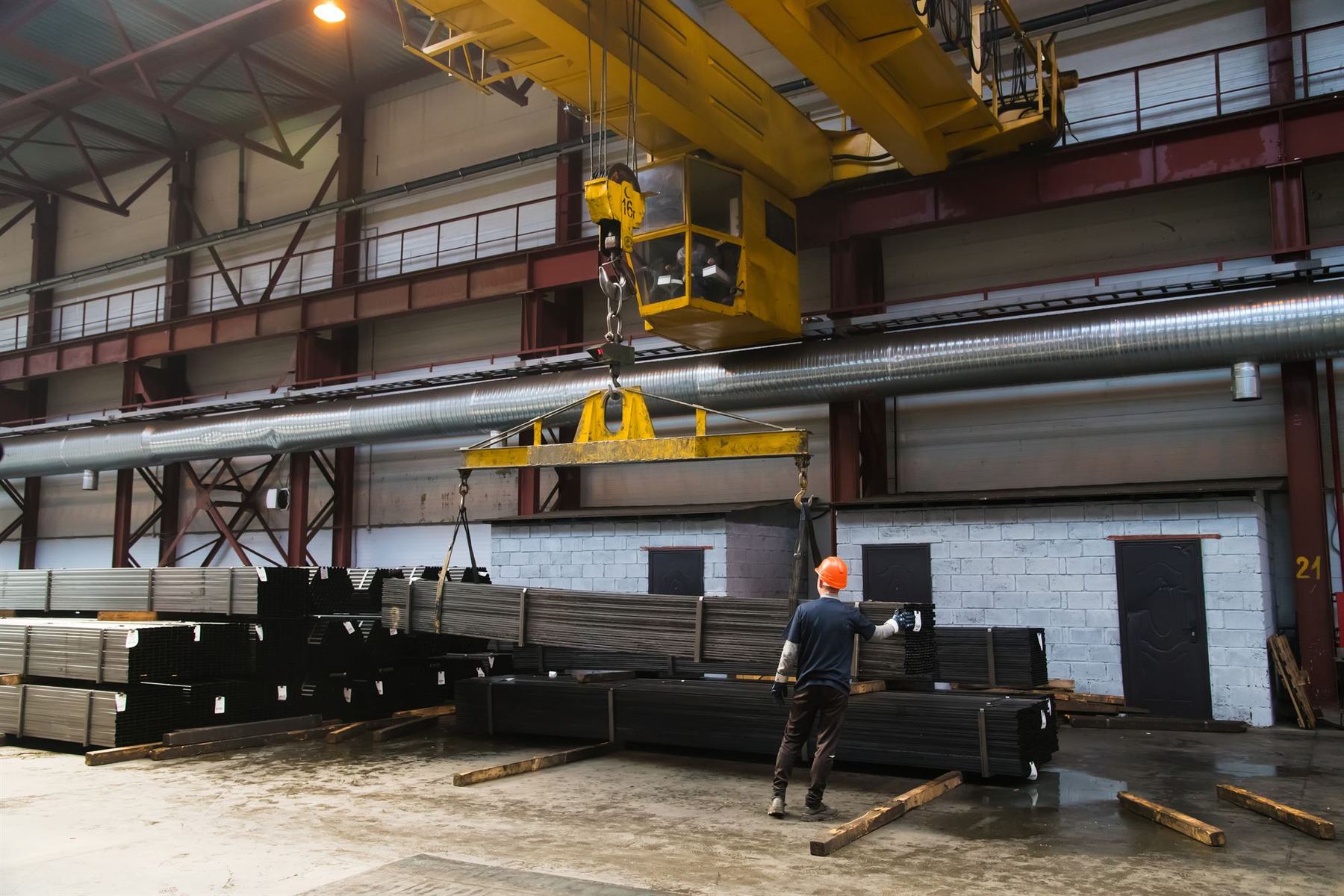
Double girder crane in a long factory bay

What to ask for at handover

  • Declaration of conformity
  • Load test records
  • Operating and maintenance manual
  • Electrical diagrams and spare parts list
  • Operator training record

After handover

Standards do not end at commissioning. Keep records of periodic inspections and maintenance, and recheck the duty class if your use of the crane changes.

Every EOTEC crane and hoisting unit is calculated, built and load tested to EN 15011, EN 14492-2, FEM 9.511 and ISO 4301 before handover.

Request a quote

Keep reading

Related

FEM & ISO Duty Classes Explained Simply

FEM & ISO Duty Classes Explained Simply

What 2m, 3m and M5 really mean for your crane.

How to Choose an Overhead Crane: A Buyer's Guide

How to Choose an Overhead Crane: A Buyer's Guide

The seven decisions that define the right crane for your plant.

EOT Cranes

EOT Cranes

Electric overhead travelling cranes explained: types, components and how to specify one.

FAQ

Crane standards and CE questions

If yours isn't here, just ask our engineers.

What does EN 15011 cover?

EN 15011 is the European standard for bridge and gantry cranes.

Which standard covers electric hoists?

EN 14492-2 covers power-driven hoists.

Does CE marking mean a crane has been independently approved?

Not in itself. CE marking is the manufacturer's declaration that the machine meets the relevant European requirements. For a crane, that declaration should be backed by a technical file, instructions and an EC declaration of conformity supplied to the buyer. A CE mark without those documents tells you little, so ask to see them when you compare suppliers and again at handover.

What documents should I receive when a new crane is handed over?

Ask for the declaration of conformity, load test records, the operating and maintenance manual, electrical diagrams, a spare parts list and the operator training record. Agree this list when you order rather than at commissioning, so nothing is missing later. Keep the set together with your periodic inspection and maintenance records, because inspectors and service engineers will refer to them throughout the crane's life.

What is the difference between EN 15011, FEM 9.511 and ISO 4301?

EN 15011 is the standard for bridge and gantry cranes as machines, while FEM 9.511 classifies hoist mechanisms by duty and ISO 4301 classifies cranes and mechanisms. In other words, one addresses the crane itself and the other two describe how hard it works, so they are used together rather than as alternatives. A specification can quote all three. See FEM and ISO duty classes for what the classes mean.

Is the Machinery Directive 2006/42/EC still the rule for CE marking a crane?

It is the directive behind CE marking of machinery in the EU, but EU machinery rules are being replaced by a new Machinery Regulation. Which one applies to your project has to be checked against the current requirements, so do not rely on an older specification. Raise this when you write your technical requirements, especially for a crane going to an EU site, and ask which rules the declaration of conformity refers to.

Planning a crane for your plant?
Get a free quotation.

Request a Quote