EOTEC overhead cranes

Overhead Cranes

Comprehensive range of single-girder and double-girder overhead cranes, engineered for reliable lifting operations.

Capacity
Up to 100 t
Span
Up to 40 m
Duty class
FEM 1Am – 4m
Control
Pendant, radio or cabin
Overhead Cranes

Engineered for reliable lifting

EOTEC overhead cranes are engineered to deliver unparalleled lifting performance and operational safety for demanding industrial environments. Operating securely from elevated runways, they optimise floor space and eliminate ground-level obstructions, ensuring continuous reliability, precise load positioning and enhanced productivity for manufacturing, assembly and warehousing operations of any scale.

Request a quote
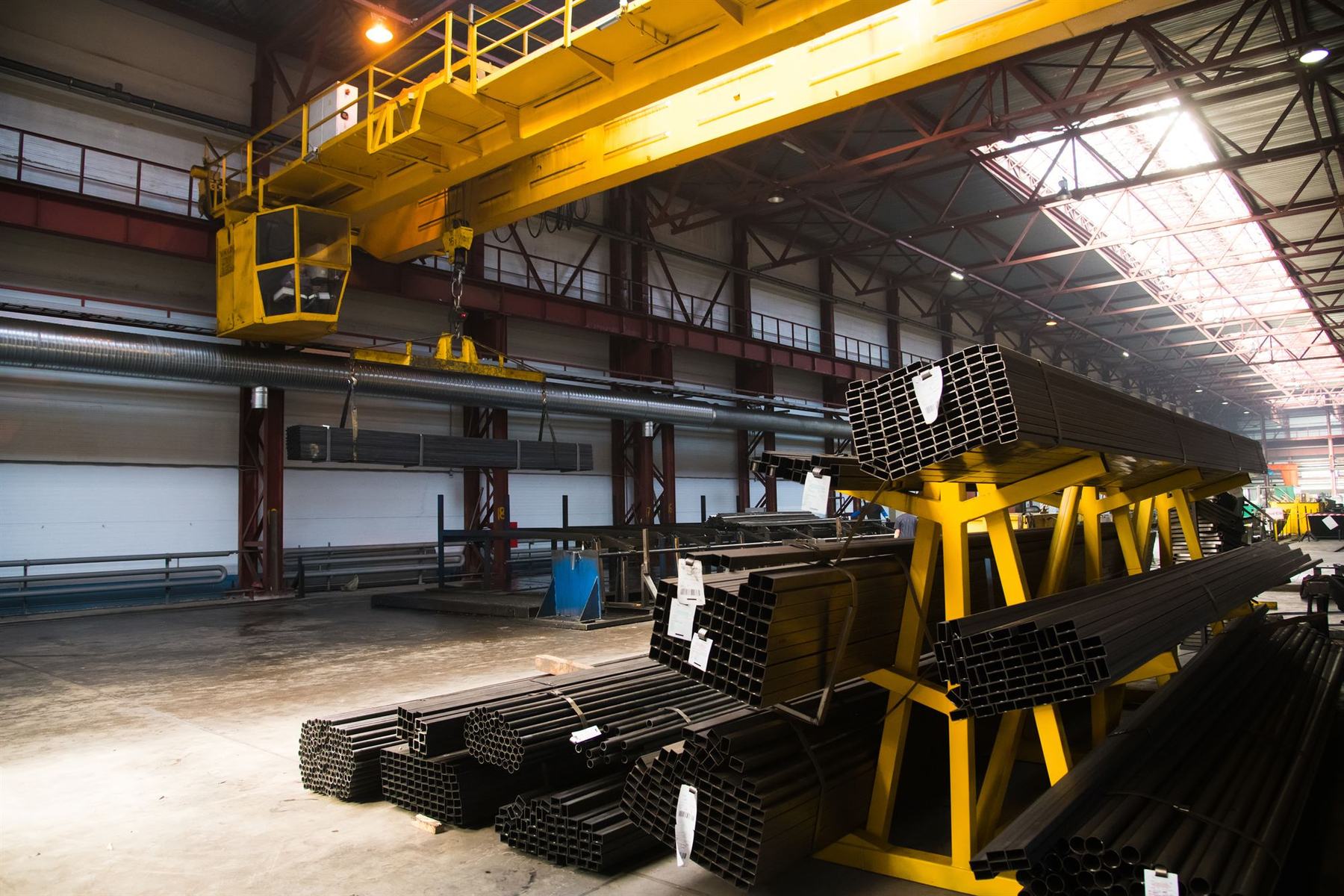
Cabin-controlled overhead crane above steel stock
Configurations

Built for your application

Single Girder Overhead Crane 01

Single Girder Overhead Crane

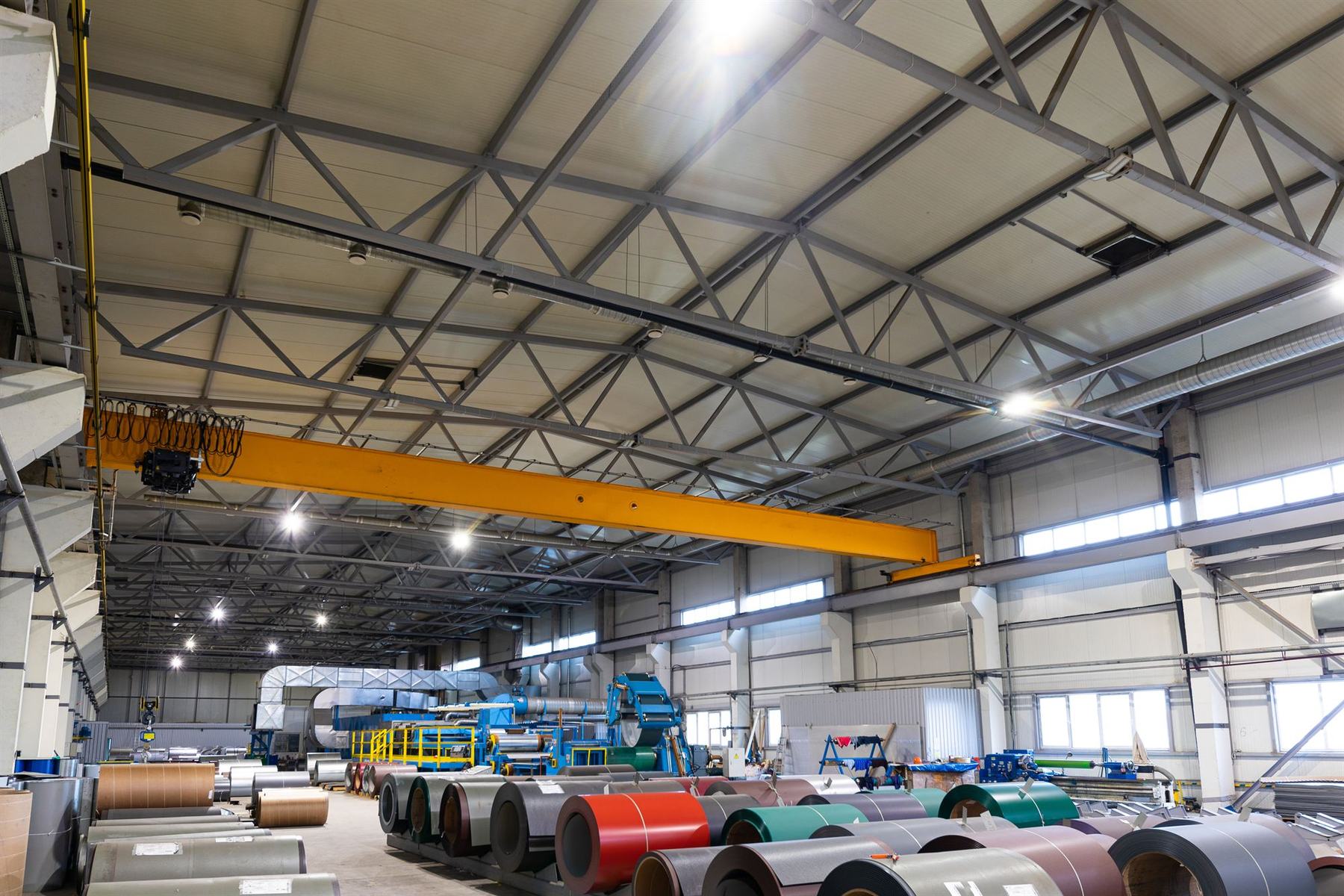
For facilities requiring highly efficient, cost-effective lifting. A streamlined, lightweight design maximises vertical clearance and reduces the load on building supports — ideal for light to medium-duty applications, with swift installation and low maintenance.

Double Girder Overhead Crane 02

Double Girder Overhead Crane

For heavy loads, long spans and intensive duty cycles. A top-running crab between two girders gives maximum hook height, with room for walkways and auxiliary hoists.

Underslung & Suspension Cranes 03

Underslung & Suspension Cranes

Running on the lower flange of the runway — ideal where building structure or headroom limit a top-running design.

SPAN UP TO 40 MUP TO 100 T
Specification

Technical data

CapacityUp to 100 t (higher on request)
SpanUp to 40 m
Duty classFEM 1Am – 4m / ISO M4 – M7
ControlPendant, radio remote or cabin
DrivesTwo-speed or stepless inverter
Request a quote
What drives us

In every crane we build

Safety first

Overload protection, limit switches and emergency stops designed in from the start.

Reliability

Components chosen for continuous operation and long service life.

Precision

Precise load positioning with smooth, inverter-controlled drives.

Lifetime service

Inspections, maintenance and modernization for the crane's whole life.

Guide

Overhead crane buying guide

What is an overhead crane?

An overhead crane, also called a bridge crane or EOT crane, is a lifting machine that travels on elevated runways above the working area. Because it runs overhead, it keeps floor space clear and can reach almost any point in the hall.

Which overhead crane do you need?

Choose a single girder crane for light to medium duty and lower building loads, or a double girder crane for heavy loads, long spans and maximum hook height. Underslung cranes suit buildings where the structure or headroom limit a top-running design. Compare them in single vs double girder.

What affects performance and cost?

Capacity, span, hook height and duty class shape the design. Our overhead crane price guide explains what moves a quotation, and our buyer's guide covers each decision step by step.

Where overhead cranes are used

Manufacturing, assembly, warehousing, steel fabrication and many other sectors rely on them. See cranes by industry for common choices.

Crane Solutions

Other crane types

FAQ

Overhead crane questions

If yours isn't here, just ask our engineers.

What is the difference between an overhead crane and a gantry crane?

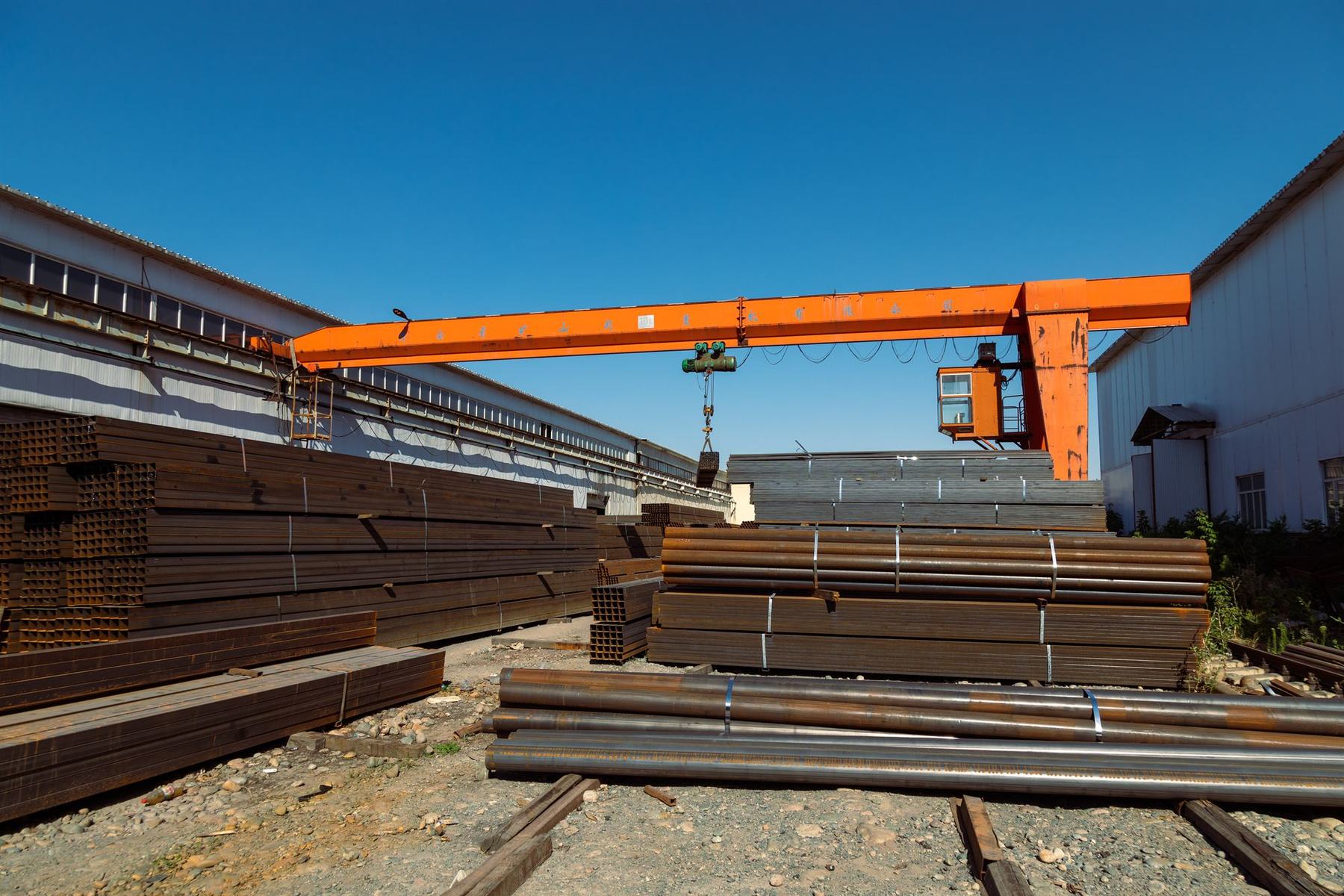
An overhead crane runs on elevated runways, usually supported by the building. A gantry crane stands on legs and runs on floor rails, so it needs no building runway.

What capacities and spans can EOTEC supply?

Our overhead cranes cover safe working loads from 0.5 t to 100 t and single-bridge spans up to around 40 m. Larger capacities and special designs are engineered on request.

How long does a new overhead crane take?

Typical lead time is 8–14 weeks from approved drawings to installation, depending on capacity and specification. Installation on site usually takes a few days.

Do I need a site survey?

Yes, we recommend one. EOTEC surveys and measures your hall before recommending or fabricating a crane, and the survey and quotation are free of charge.

When should I choose an underslung crane instead of a top-running overhead crane?

Choose an underslung crane when the building structure or the available headroom rules out a top-running design. It runs on the lower flange of the runway rather than on top of a rail, which suits buildings with little room above the runway. The load then hangs from the supporting structure, so that structure has to be checked for it.

Can my existing building columns carry an overhead crane runway?

Only a structural check can confirm it, because the columns must take the crane's wheel loads on top of the building's own loads. A single girder crane reduces the load on building supports, which may be enough to make a runway possible. If the columns still cannot carry one, a gantry crane avoids the problem by running on floor rails.

What hall dimensions do I need to measure for an overhead crane?

You need the span between runway rail centres, the runway length, the hook height required and the clear height under the roof. Note obstructions such as pipes and lights too, because they can limit the crane's travel or hook height. If you do not have these figures, our site survey measures them before any crane is recommended.

What duty class does an overhead crane need?

It depends on how hard the crane works, not on how much it lifts. Estimate lifts per hour, travel distance, hours per day and how close loads come to capacity, then classify. EOTEC overhead cranes are available from FEM 1Am to 4m (ISO M4 to M7), and the duty is agreed during the survey before the crane is calculated.

Pendant, radio remote or cabin: which overhead crane control should I choose?

Pendant control is simple and cost-effective where the operator can walk safely with the load. Radio remote lets the operator choose a safe viewpoint away from the load. A cabin suits long spans, high-duty cranes and hot or dusty processes. Choose by where the operator needs to stand and how much of the shift the crane runs.

Is the runway included in an overhead crane quotation?

It depends on the agreed scope, so state it clearly in your enquiry. A new runway and its supporting steel can be a significant extra, while an existing one may only need checking. Runway alignment is part of our installation work. When comparing quotations, confirm that each supplier has priced the same runway scope, along with installation and load testing.

Need an overhead crane that fits your hall?
Get a free quotation.

Request a Quote