


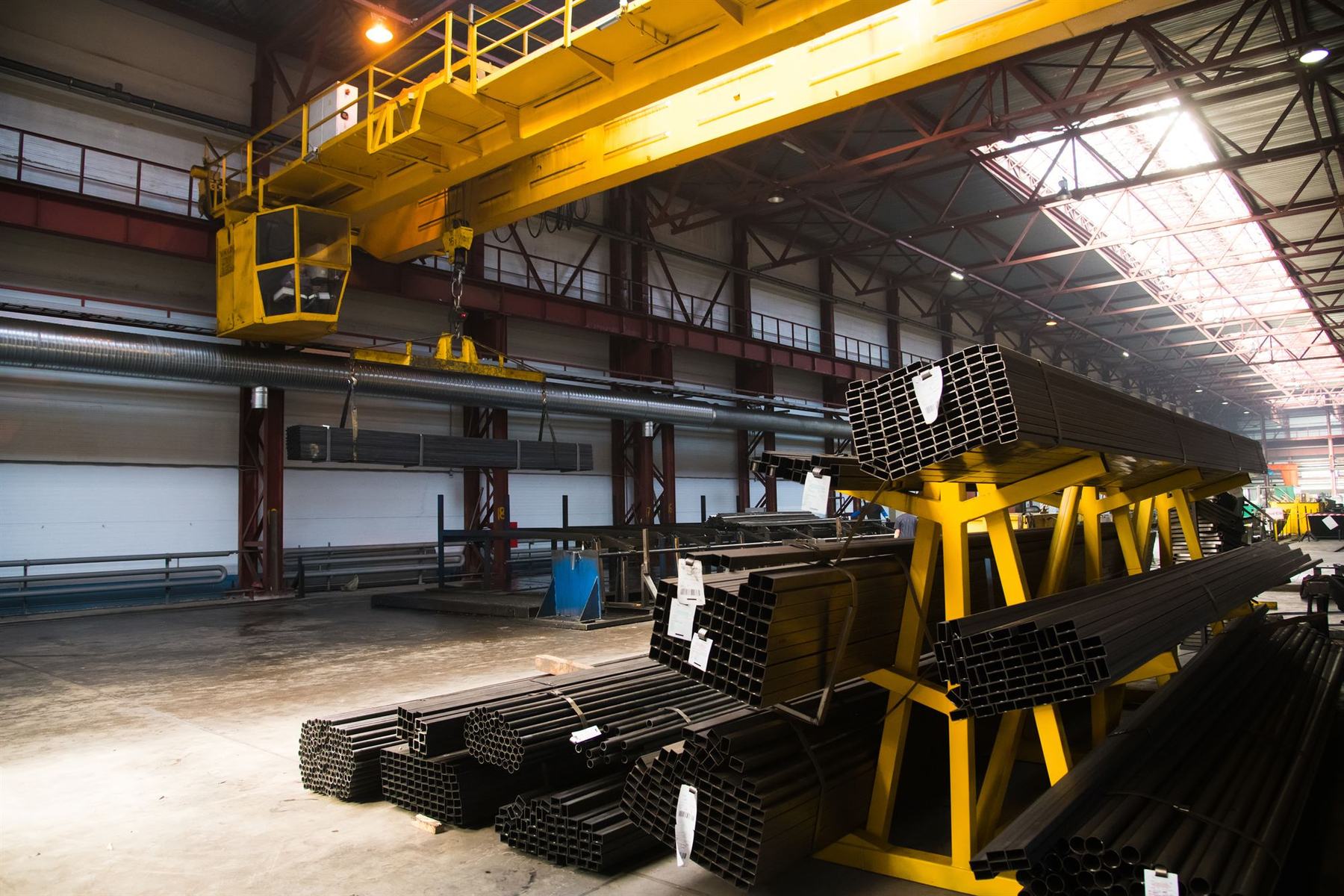
There is no honest list price for an overhead crane, because each one is calculated for a specific hall and duty. Published price tables are rough at best. What you can do is understand what moves the price, so that you can budget and compare quotations fairly.
What affects the price of an overhead crane
| Factor | Effect on cost |
|---|---|
| Capacity | Higher loads need stronger girders, end carriages and hoists |
| Span | Longer spans need more steel and larger sections |
| Girder design | Double girder usually costs more than single girder |
| Duty class | Higher duty classes need heavier mechanisms |
| Hoist | Type, lifting height and speed all count |
| Drives and controls | Inverters, radio remote or a cabin add cost and capability |
| Environment | Outdoor, hot, dusty or hazardous areas need special protection |
| Runway | A new runway and supporting steel can be a significant extra |
| Scope | Delivery, installation, load testing, documentation and training |
Purchase price is not total cost
A crane may run for many years. Compare energy, maintenance, spare parts and the cost of downtime, not only the purchase price. A cheaper crane in too low a duty class can cost far more over its life.

How to save money without cutting safety
- Specify the real duty, rather than over-specifying "just in case".
- Choose a single girder crane when it really is sufficient.
- Check whether a jib crane could relieve the main crane.
- Consider modernizing a sound existing crane instead of replacing it.
Get an accurate figure
The fastest route to a real number is a survey. EOTEC's site survey and quotation are free of charge, with clear pricing and honest timelines from survey to final load test.


