 01
Full & Semi-Gantry
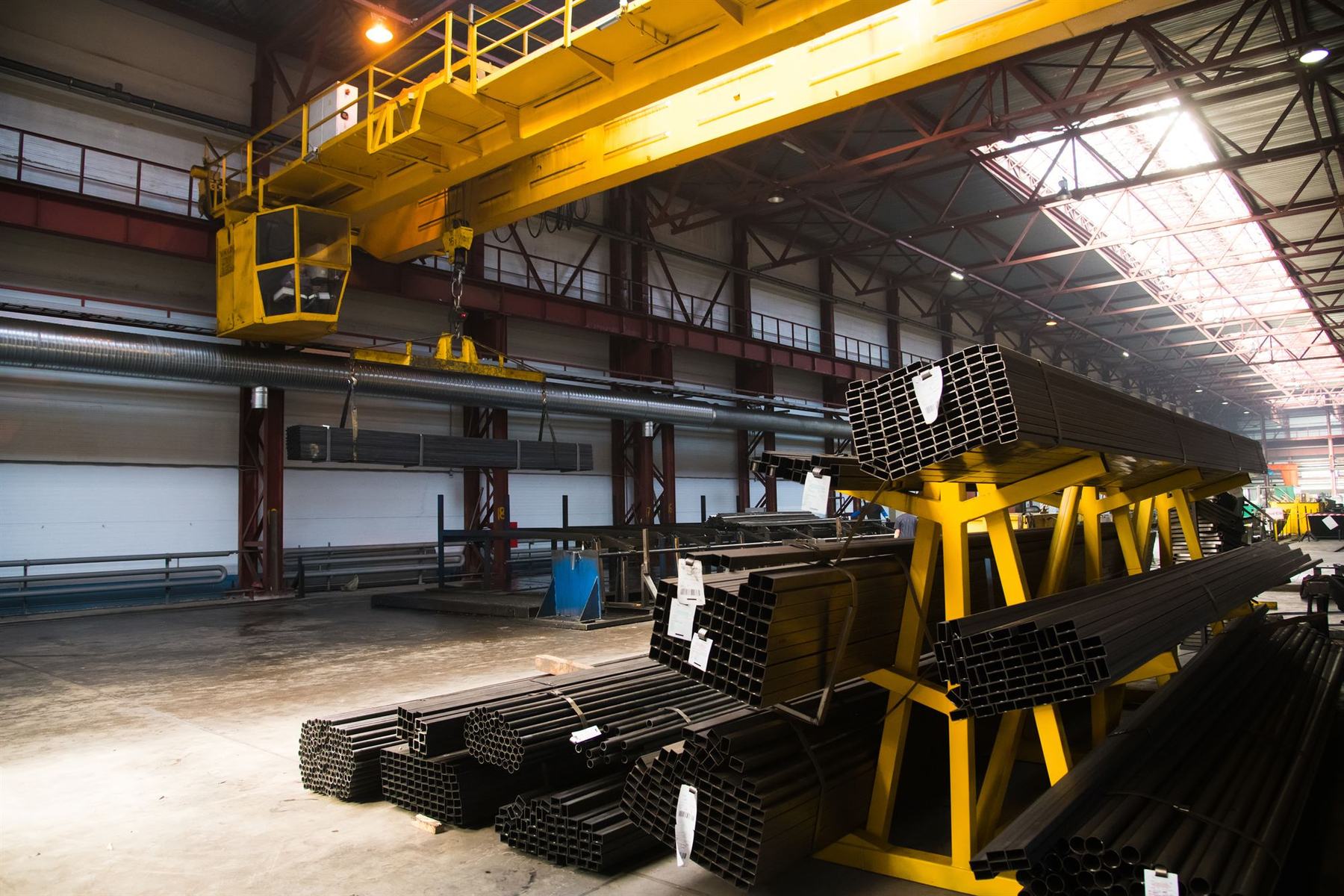
Full gantries run on two floor rails; semi-gantries combine one floor rail with a runway on the building wall.
 English
 Türkçe
 Français
 Русский
 Italiano
 العربية

Single-girder & double-girder gantry cranes, including semi-gantry, cantilever and L-type configurations.
Gantry cranes bring overhead lifting to outdoor yards, stockpiles and halls without a runway structure, running on floor rails and carrying loads across the full working area.
 01
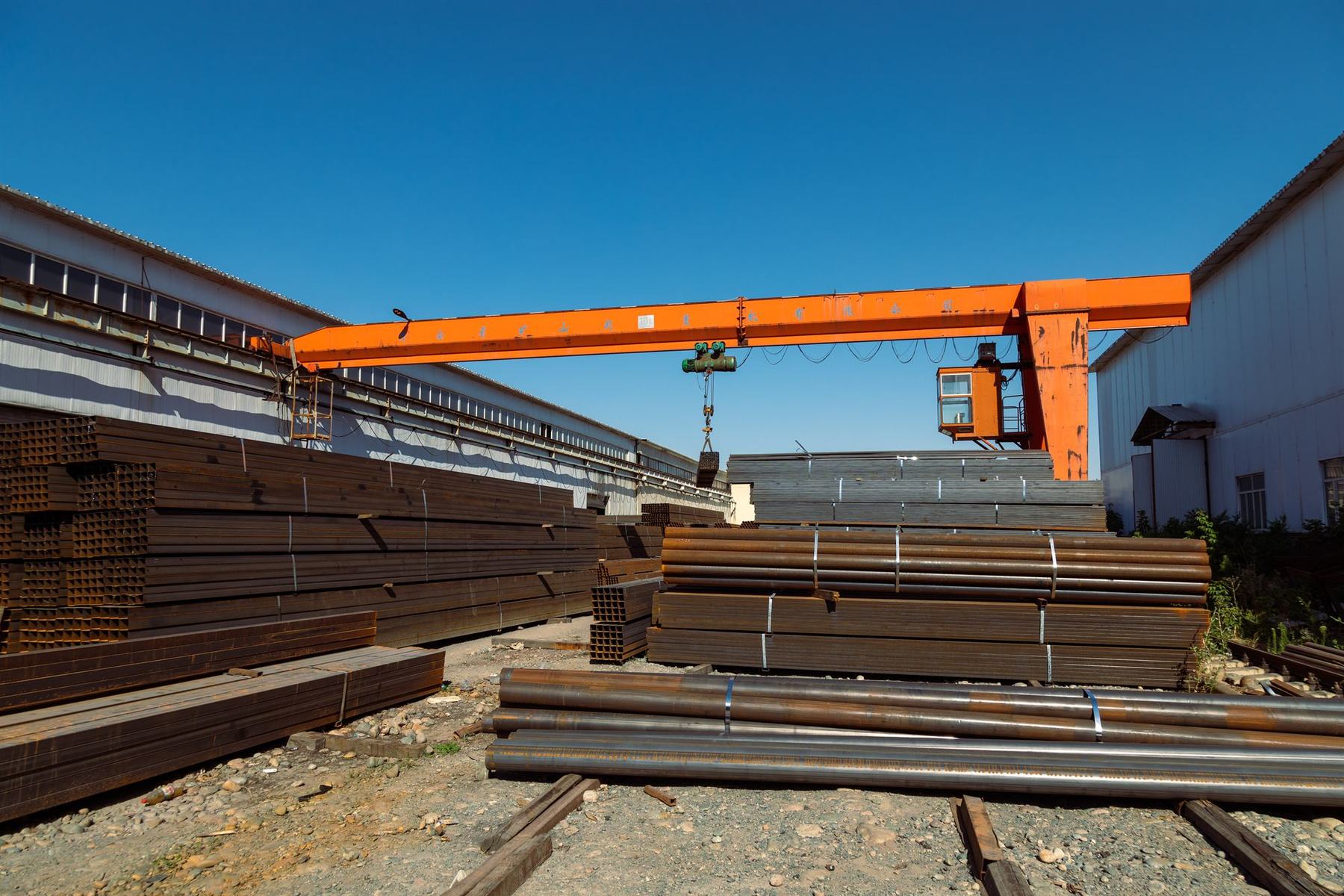
Full gantries run on two floor rails; semi-gantries combine one floor rail with a runway on the building wall.
 02
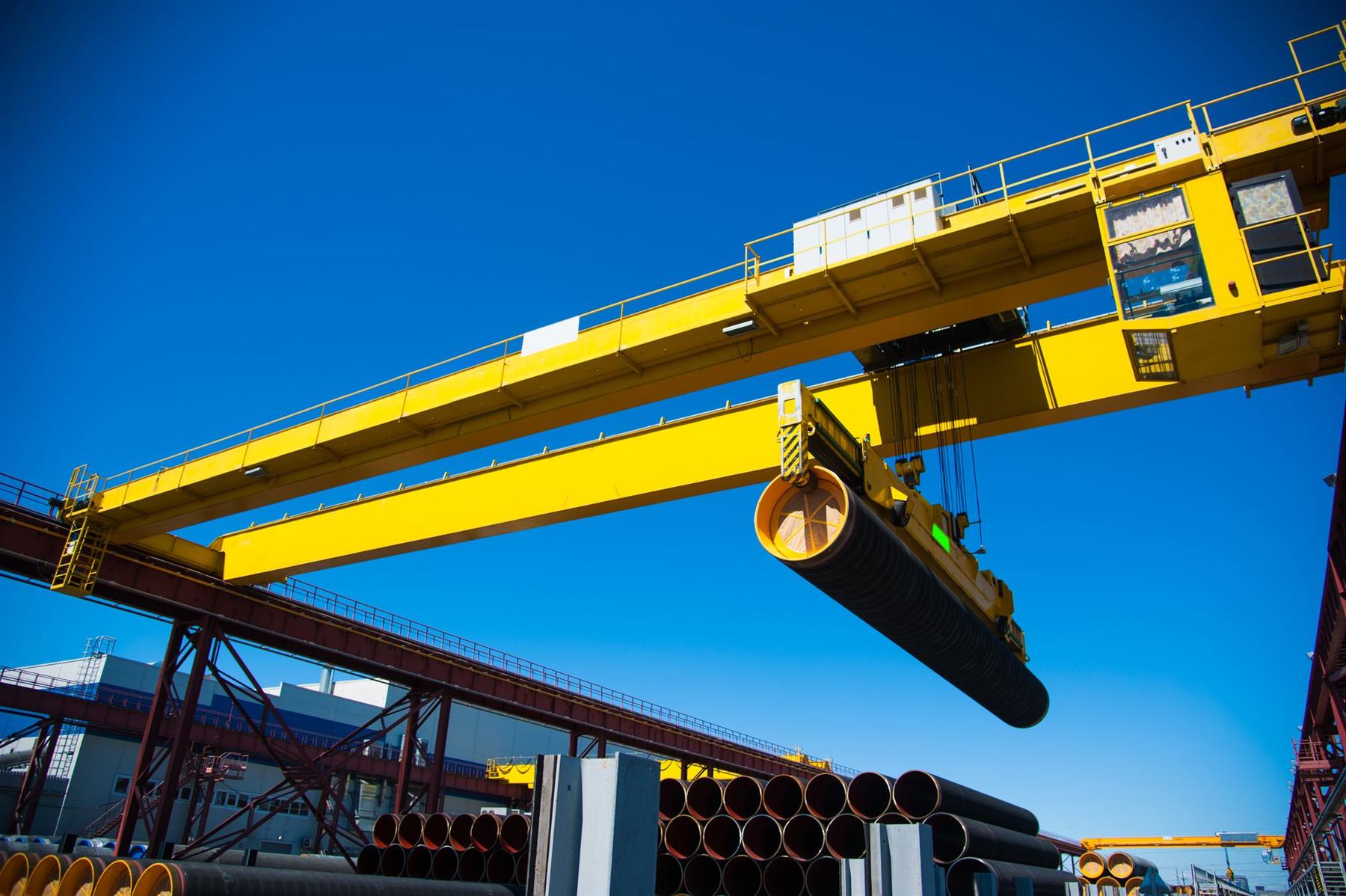
Cantilevered girders extend the hook beyond the legs for loading trucks or reaching storage areas.
| Capacity | Up to 100 t |
|---|---|
| Span | Project specific |
| Environment | Indoor or outdoor rated |
| Rail | Rail-mounted, floor or embedded |
Overload protection, limit switches and emergency stops designed in from the start.
Components chosen for continuous operation and long service life.
Precise load positioning with smooth, inverter-controlled drives.
Inspections, maintenance and modernization for the crane's whole life.
A gantry crane is a bridge supported on legs that run on rails at floor level. Because it does not rely on a building runway, it suits outdoor yards, stockpiles and halls without a suitable structure.
If your building can carry a runway, an overhead crane keeps the floor completely clear. If it cannot, or if you work outdoors, a gantry is usually the better option. A semi-gantry combines one floor rail with a runway on the building wall.
Outdoor cranes need attention to wind, rails, foundations and power supply. Read Planning an Outdoor Gantry Crane Project before you request quotations.
Precast concrete, stone yards, steel stockholding and truck loading are typical uses. See cranes by industry.
A semi-gantry combines one floor rail with a runway on the building wall, so one side runs on legs and the other on the building.
EOTEC gantry cranes are available up to 100 t, with span set by the project.
Yes. Gantry cranes can be indoor or outdoor rated, and suit halls that have no runway structure.
Its girder extends beyond the legs, so the hook can reach over a truck lane or storage area outside the rails.
An L-type gantry is used for handling long loads past the legs. Its leg geometry leaves one side open, so long items do not have to be turned or lifted clear of a leg as they travel. It suits yards handling long steel or precast elements. Tell us the longest load and the route it takes through the yard.
The span comes from your working area, which is why it is project specific. Map where loads are picked up, stored and loaded, then fit the rails around those points. A longer span needs more steel and larger sections, so check whether a cantilever beyond the legs can give the extra reach, for example over a truck lane.
Embedded rails suit yards where trucks and forklifts must cross the crane path, because the surface stays level. Floor-mounted rails suit areas where nothing needs to cross, but they leave a step on the ground. In both cases the foundations must carry the wheel loads, and rail alignment matters because it directly affects wheel wear.
An outdoor gantry must be designed for wind both in service and out of service, because wind acts on the whole structure and can push a parked crane along its rails. Storm protection such as rail clamps or anchors is used where required. Our outdoor gantry planning guide also covers outdoor-rated motors, panels and paint systems.
Long-travel power commonly comes from a cable reel or a conductor system. Make the choice early, because it affects the layout along the rail, including where the supply enters and what space must stay free beside the track. Tell us the rail length and where power is available in your yard when you enquire.
Choose a semi-gantry when the working area runs alongside a building whose wall can carry a runway, since it needs only one floor rail. Choose a full gantry for open yards and stockpiles, or where the wall cannot take the load. A semi-gantry leaves more floor free on the building side, but it ties the crane to the building structure.